The cart is empty
FREE SHIPPING IN ITALY for a purchase over €500, excluding islands, disadvantaged areas and ZTL (See Terms)



The worktop is one of the most important elements in the kitchen: it defines the style of the space, determines its functionality, and must withstand intense daily use. Over the years, the countertop may show signs of wear, scratches, or simply no longer reflect your current taste. In these cases, replacing the kitchen worktop is the ideal solution to give new life to the entire space without having to change all the cabinets.
Before proceeding, it is important to know when replacement is worthwhile, which professionals to contact, the costs to consider, and which materials to choose for a durable and harmonious result.
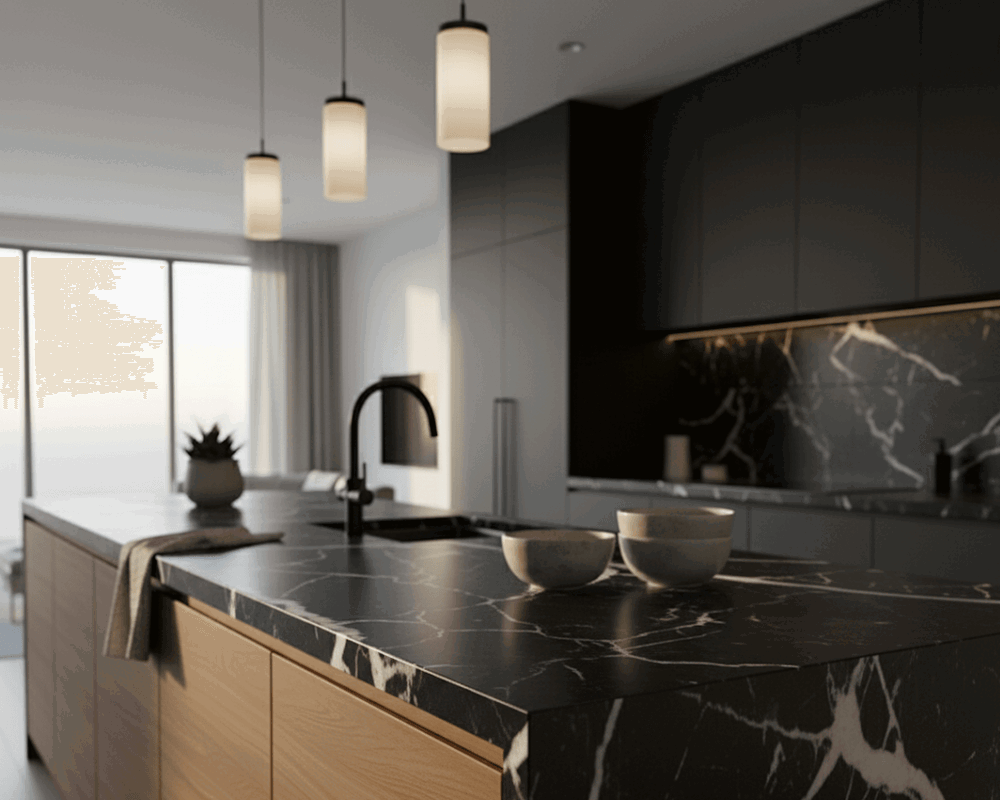
Replacing the worktop becomes necessary in several situations. First, when the surface is damaged by deep scratches, cracks, or burns that compromise not only aesthetics but also kitchen hygiene. Water infiltration, if neglected, can also cause swelling in more delicate materials such as laminate.
Another frequent case is the desire to update the style. Changing the countertop is a quick and effective way to refresh the entire kitchen without modifying the structure of the furniture. Finally, it is worth replacing the worktop when built-in appliances are updated and the surface needs to be adapted to new sizes or configurations.
To replace the kitchen worktop on existing cabinets, it is essential to rely on experienced professionals. Carpenters, stone fabricators, and specialized kitchen retailers provide measuring services, custom cutting, and on-site installation.
🔧 Relying on qualified experts guarantees precision in joints, proper installation of sinks and cooktops, as well as careful attention to finishes. DIY attempts risk compromising the stability of the worktop and creating problems with leaks or breakages.
The cost of replacing a kitchen worktop varies depending on several factors. The main ones are:
💰 On average, prices can range from a few hundred euros for a standard laminate top to over two thousand euros for premium materials such as quartz or natural granite. Carefully evaluating the budget and daily use is essential to finding the right balance between aesthetics and functionality.
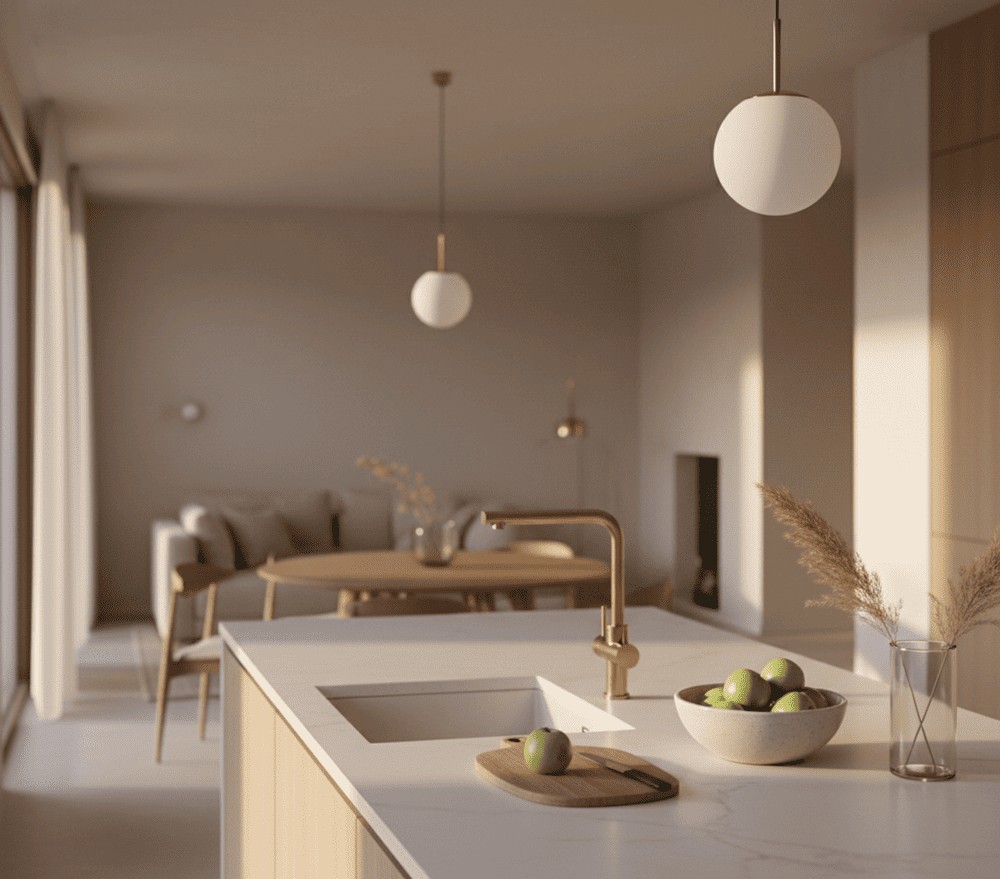
The choice of material determines both the aesthetic appeal and durability of the surface. Here are the most common options:
– Laminate: affordable, versatile, available in a wide range of finishes. Requires care against water infiltration.
– Quartz: resistant, hygienic, and available in many colors. A great balance between aesthetics and functionality.
– Granite: a premium natural material, resistant to heat and scratches.
– Stainless steel: ideal for professional-style kitchens, hygienic but prone to visible scratches.
– Dekton or porcelain stoneware: innovative, extremely resistant to heat, impact, and stains, with a refined look.
✨ The choice should be guided not only by aesthetic taste but also by daily use. A heavily used kitchen requires a resistant, easy-to-clean material, while in less demanding contexts you can opt for more decorative solutions.
Replacing the kitchen worktop is an intervention that can radically transform the aesthetics and functionality of the space. Carefully evaluating when to replace it, who to rely on, the costs, and the available materials allows you to make an informed and lasting choice. For those who prefer quicker and more affordable solutions, there are also creative alternatives to refresh the surface without fully replacing it.
With the right balance between budget, materials, and style, the kitchen worktop becomes a centerpiece that contributes to making the whole space more welcoming and modern.

 +39339.5364494
 +39049.8876293