


The cart is empty

 +39339.5364494
 +39049.8876293
STRUCTURE
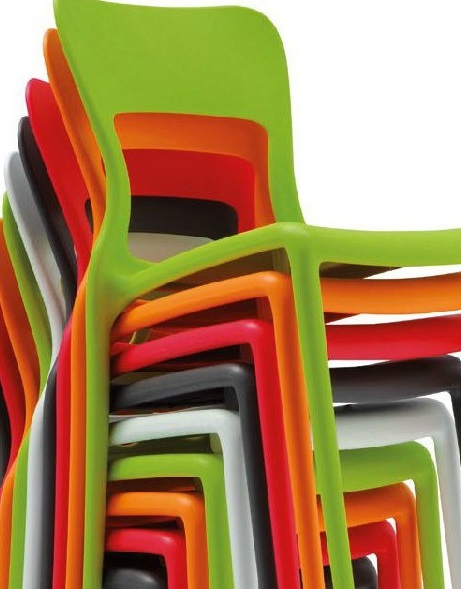
It is a plastic material that is highly appreciated and used by industry and design. Different objects are produced with it, as this material has advantageous and useful characteristics.
Features: non-toxic, odourless, very light, can be washed, heat resistant (melting point at 160°C), resistant to moisture and does not absorb water (for this reason it is used as outdoor material, (for example for terrace and garden furniture), stain resistant, resistant solvent resistant, acid resistant, wear resistant, economical.
Production characteristics:
"Air-moulding" injection technology consists of introducing an inert gas into the mold together with the plastic mass. Consequently, a vacuum is created inside the plastic section which allows the use of a smaller amount of material, considerably lightening the chair and avoiding the formation of signs of shrinkage on the surface. This process requires careful development of the mould, which must be studied and designed with very precision.
CLEANING AND MAINTENANCE
🧼 Routine cleaning (dust, light dirt)
Materials:
-
Warm water
-
Dishwashing liquid or neutral soap
-
Soft sponge or microfiber cloth
Procedure:
-
Prepare a solution with warm water and a little detergent.
-
Dip the cloth or sponge in the solution and wring out good.
-
Clean the surface of the chair, focusing on the dirtiest areas.
-
Rinse with a damp cloth to remove soap residue.
-
Dry with a dry cloth to avoid streaks.
🧽 Deep cleaning (stains, encrusted dirt)
Useful options:
-
Baking soda: Make a paste with water and rub it in gently with a sponge.
-
Isopropyl alcohol (70%): for marker or grease stains (test on a hidden area first).
-
Mild degreaser: not too aggressive, suitable for plastic.
💡 For dining chairs For exteriors, you can also use a low-pressure washer, as long as the jet isn't too strong (to avoid damaging the surface).
🚫 What to avoid
-
Abrasive sponges or metal scouring pads: they scratch the surface.
-
Products containing acetone, trichloroethylene, or strong solvents: They may dull or dissolve polypropylene.
-
Pure bleach: May discolor or weaken the material (use only very diluted, if necessary).
